
darcymannino50
About darcymannino50
Recent Advances in Erectile Dysfunction Treatments: A Focus on Innovative Pharmacological Approaches
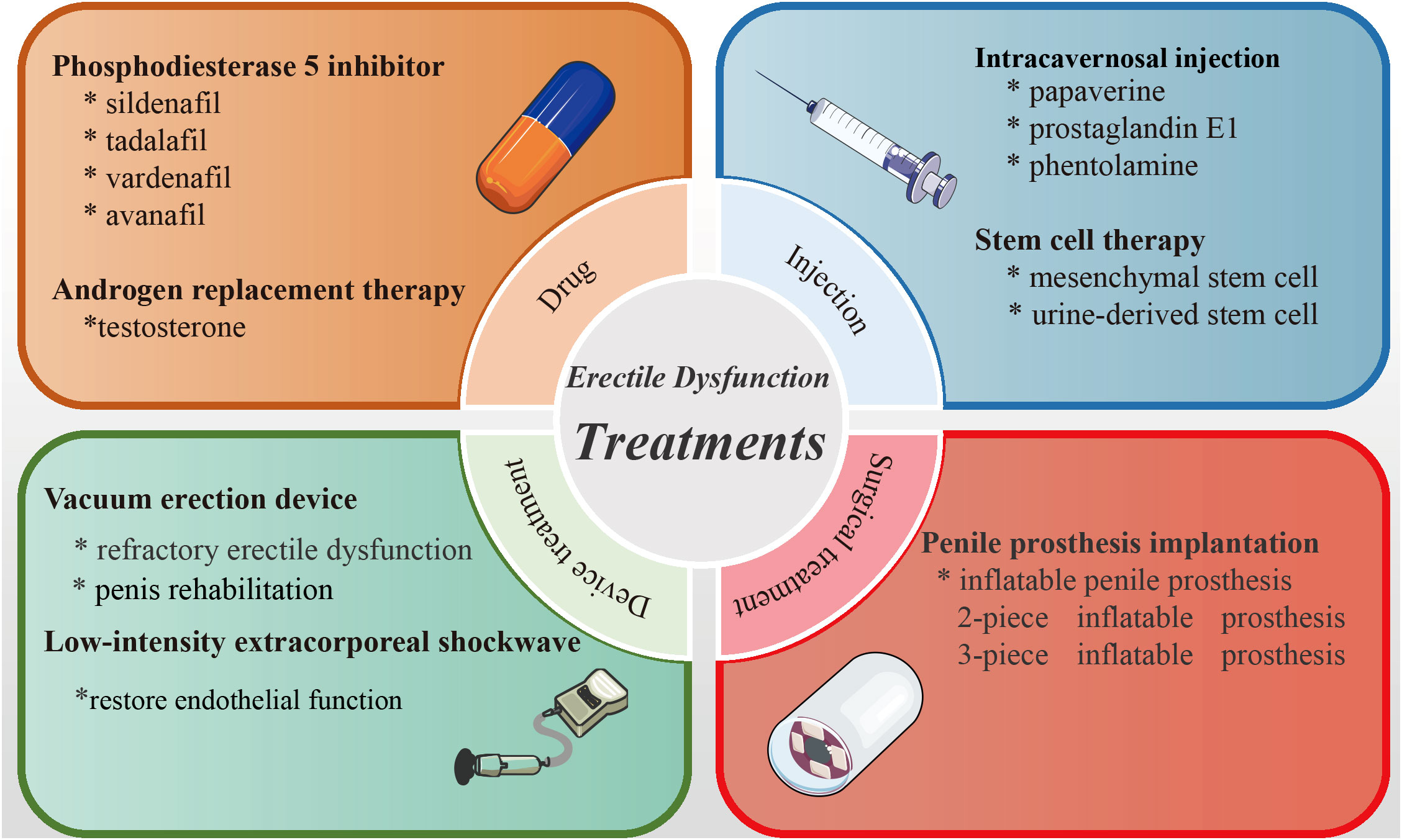
Erectile dysfunction (ED) is a common condition affecting millions of men worldwide, characterized by the inability to achieve or maintain an erection sufficient for satisfactory sexual performance. Traditionally, treatments for ED have revolved around phosphodiesterase type 5 (PDE5) inhibitors, such as sildenafil (Viagra), tadalafil (Cialis), and vardenafil (Levitra). While these medications have been effective for many, recent advancements in pharmacological research have opened new avenues for treatment, offering hope for those who do not respond to standard therapies or prefer alternative options. This article explores some of the latest developments in ED treatments, focusing on innovative drug therapies and their mechanisms of action.
1. Understanding the Limitations of Current Treatments
While PDE5 inhibitors have revolutionized the management of ED, they are not suitable for everyone. Some men experience side effects such as headaches, flushing, and gastrointestinal issues, while others may have contraindications, particularly those taking nitrates for heart conditions. Moreover, PDE5 inhibitors may not address underlying psychological factors or certain types of ED, particularly those stemming from hormonal imbalances or nerve damage. This has led researchers to explore alternative pharmacological treatments that target different pathways involved in erectile function.
2. New Pharmacological Approaches
a. Melanocortin Receptor Agonists
Melanocortin receptors play a crucial role in the regulation of sexual function and arousal. Recent studies have investigated melanocortin receptor agonists, such as bremelanotide (Vyleesi), which has been approved for the treatment of hypoactive sexual desire disorder in women but is also being explored for men with ED. Bremelanotide acts on the central nervous system to enhance sexual desire and arousal, potentially addressing psychological components of ED. Clinical trials have shown promising results, with participants reporting increased sexual desire and improved erectile function.
b. Gene Therapy
Gene therapy represents a cutting-edge approach to treating ED by targeting the underlying causes at a molecular level. Researchers have been investigating the delivery of genes that encode for proteins involved in the erectile response, such as endothelial nitric oxide synthase (eNOS). By enhancing nitric oxide production in the penile tissue, gene therapy aims to improve blood flow and facilitate erections. Early clinical trials have shown that gene therapy can significantly improve erectile function in men with ED, particularly those with vascular causes. While still in the experimental stage, this approach holds promise for long-term solutions to ED.
c. Stem Cell Therapy
Stem cell therapy is another innovative treatment option being explored for ED. This approach involves the injection of stem cells into the penile tissue to promote regeneration and repair of damaged blood vessels and nerves. Research has indicated that stem cells can enhance erectile function by improving blood flow and restoring nerve function. Clinical trials have demonstrated positive outcomes, with many participants reporting improved erectile function and satisfaction. Although still in its infancy, stem cell therapy could revolutionize the treatment of ED, particularly for men with underlying conditions such as diabetes or prostate cancer.
3. Combination Therapies
Researchers are increasingly recognizing the potential benefits of combination therapies that utilize multiple mechanisms to address ED. For example, combining PDE5 inhibitors with other agents, such as testosterone replacement therapy for men with low testosterone levels, can enhance overall efficacy. Studies have shown that men with both ED and low testosterone experience improved outcomes when treated with both therapies simultaneously. Furthermore, the combination of pharmacological treatments with psychological counseling may provide a more holistic approach to managing ED, addressing both physical and emotional factors.
4. Future Directions in Research
The landscape of ED treatment is rapidly evolving, with ongoing research focused on identifying new drug candidates and refining existing therapies. One area of interest is the development of non-invasive delivery methods, such as transdermal patches or oral dissolvable films, which could enhance patient adherence and convenience. Additionally, researchers are investigating the role of other signaling pathways, such as the RhoA/Rho-kinase pathway, in erectile function, which may lead to the discovery of novel therapeutic targets.
5. The Role of Lifestyle Modifications
While pharmacological advancements are crucial, it is essential to recognize the significant impact of lifestyle modifications on erectile function. Studies have shown that factors such as diet, exercise, smoking cessation, and weight management can greatly influence ED. Integrating lifestyle changes with pharmacological treatments can enhance overall outcomes and improve quality of life for men with ED.
Conclusion
The field of erectile dysfunction treatment (erectiledysfunctiontreatments.online) is witnessing significant advancements, with innovative pharmacological approaches offering new hope for men struggling with this condition. From melanocortin receptor agonists and gene therapy to stem cell therapy and combination treatments, researchers are actively exploring diverse strategies to improve erectile function. As our understanding of the underlying mechanisms of ED continues to grow, so too does the potential for developing effective, individualized treatment options. Ultimately, the integration of these advancements with lifestyle modifications and psychological support may lead to a more comprehensive approach to managing erectile dysfunction, enhancing the quality of life for millions of men worldwide.
Sort by:
No listing found.

Compare listings
Compare